
How to Prepare Your Body for a Pre-Op Physical Before Surgery
Preparing for surgery can feel overwhelming, but one of the most important steps in ensuring a safe and successful procedure is completing your pre-op physical. A preoperative physical is a medical evaluation performed before surgery to assess your overall health, identify potential risks, and make sure your body is ready for anesthesia and the procedure itself. Think of it as your personalized surgical safety check designed to protect you and help your medical team plan the best possible care.
Why is Pre-Op Physical Important Before Surgery?
A pre-op physical plays a crucial role in ensuring your surgery is as safe and successful as possible. Its primary purpose is to evaluate your overall health, identify any medical conditions that could increase surgical risks, and make sure your body is prepared for both anesthesia, the procedure itself and ensure proper recovery. This proactive step allows your surgical and anesthesia teams to tailor care specifically to your needs improving safety from start to finish.
During the pre-op exam, your provider will take a close look at your heart, lungs, blood pressure, medications, and existing conditions to uncover any issues that might interfere with surgery or healing. By discovering risks early such as uncontrolled blood pressure, anemia, abnormal heart rhythms, or medication interactions, your team can address them before you ever step into the operating room.
When you enter surgery well-hydrated, with stable vital signs, optimized chronic conditions, and clear medication instructions, anesthesia is safer and your recovery is smoother. Even small steps taken before your pre-surgery evaluation can reduce complications, shorten recovery time, and improve how you feel afterward.
A typical preoperative physical may include:
Comprehensive medical history review
Physical exam (heart, lungs, abdomen, neurological function)
Blood work (CBC, electrolytes, kidney function)
EKG to assess heart rhythm
Chest X-ray (when needed)
Medication review and surgical clearance discussion
This preparation directly affects your surgery outcomes. Together, these evaluations create a clear picture of your health and allow your care team to ensure you're fully ready safely and confidently for your procedure.
What Foods Are Recommended to Eat Before a Pre-Op Physical?
Fueling your body with the right foods before your pre-op physical can support your health, improve vitals, make more stable blood sugar levels, and more accurate lab results. While a preoperative evaluation isn’t as restrictive as preparing for surgery day itself, focusing on clean, nutrient-rich meals helps your care team get the clearest possible picture of your health.
A smart pre-op nutrition routine includes:
1. Lean Proteins

Protein helps stabilize blood sugar and supports muscle health, which is especially important before surgery. Choose options that are easy to digest, such as:
Grilled chicken or turkey
Eggs
Fish
Tofu or beans
2. Fresh Fruits and Vegetables
Colorful produce is rich in vitamins, minerals, and antioxidants that support immune function and reduce inflammation.
Nutrient-rich options include:
Berries
Bananas
Spinach or mixed greens
Carrots
Broccoli
3. Whole Grains
Complex carbohydrates provide steady energy without blood sugar spikes.
Great picks include:
Oatmeal
Quinoa
Brown rice
Whole-grain toast
4. Hydration
Proper hydration improves blood pressure and helps your veins fill more easily making blood draws smoother and labs more reliable. Aim for:
Water
Herbal tea
Electrolyte drinks without added sugar
Why Nutrition Matters for Accurate Labs
Eating balanced, easy-to-digest meals before your pre-surgery exam can improve lab accuracy by:
Preventing dehydration (which can falsely elevate kidney markers)
Reducing high blood sugar fluctuations
Supporting normal blood pressure
Stabilizing cholesterol and triglyceride readings
Heavy, greasy, sugary, or salty foods can temporarily skew lab results, making your pre-op assessment less reliable.
A simple rule: choose clean, whole-food meals that make you feel steady, hydrated, and energized.
Are There Any Foods or Drinks I Should Avoid Before a Pre-Op Physical Exam?
Yes, certain foods and beverages can interfere with your lab results, elevate your blood pressure, blood sugar or make your pre-op physical less accurate. Avoiding a few common items before your appointment helps ensure your medical team gets a true picture of your health and can safely clear you for surgery.
1. Alcohol
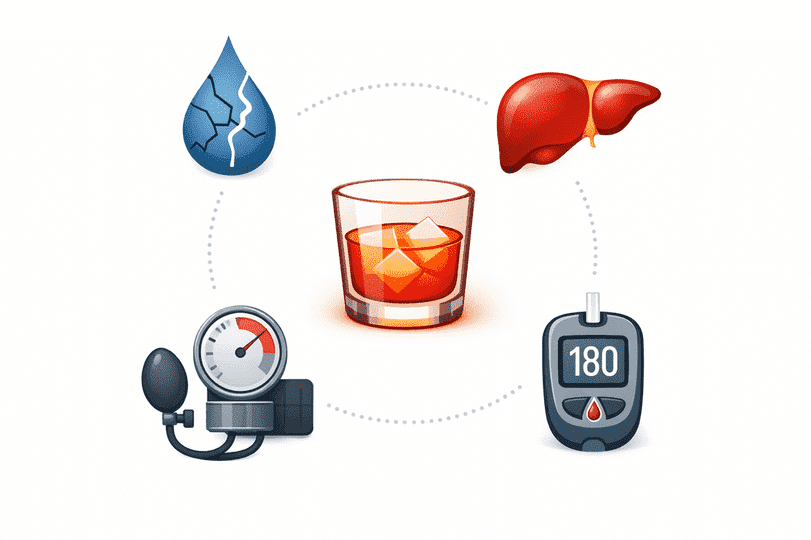
Alcohol can:
Dehydrate you
Increase liver enzymes
Raise blood pressure
Alter blood sugar
Even a single drink the night before may skew lab results. It’s best to avoid alcohol for 24–48 hours before your pre-surgery exam.
2. Caffeine
Coffee, energy drinks, and pre-workout supplements can:
Raise heart rate
Increase blood pressure
Cause dehydration
If your vitals are elevated, it may delay surgical clearance. Herbal tea or water is a better option the morning of your test.
3. Fatty, Greasy, or Heavy Meals
Foods such as fast food, fried items, or high-fat meals can:
Elevate triglycerides temporarily
Slow digestion
Cause nausea during fasting labs
Stick to lighter meals the day before, especially if blood work is required.
4. Sugary Foods and Drinks
High-sugar items (soda, pastries, desserts) can:
Raise blood glucose
Impact certain lab markers
Cause energy crashes
Balanced meals with protein and whole grains help keep blood sugar steady.
5. Excess Salt
Salty foods like chips, canned soups, restaurant meals can:
Increase blood pressure
Alter hydration levels
Affect kidney-related test results
Lower-sodium options are ideal before your visit.
6. Foods That Break Fasting Rules (If Applicable)
If your provider requires fasting labs, you should avoid:
All foods
Sugary drinks
Coffee with cream or sugar
Supplements or vitamins (unless instructed otherwise)
Only water is typically allowed during fasting hours.
Your pre-op team will let you know if fasting is needed but avoiding heavy or unusual meals beforehand always supports more accurate testing.
Why Avoiding These Foods Matters
Steering clear of foods and drinks that alter your vitals or labs helps:
Produce accurate cholesterol and glucose readings
Preventing false elevations in blood pressure
Improve the reliability of kidney and liver tests
Ensure safer anesthesia planning
A little preparation goes a long way in protecting your health and keeping your surgery on track.
Can Exercise Affect the Results of My Pre-Op Physical?
Yes, recent exercise can definitely influence several parts of your pre-op physical, including your vital signs and certain blood tests. While staying active is great for your overall health, it’s important to understand how physical activity right before your exam might affect your surgical clearance.
How Exercise Impacts Your Vital Signs
Strenuous or high-intensity workouts can temporarily raise:
Heart rate
Blood pressure
Respiratory rate
Even if you’re normally very fit, these elevated numbers may appear abnormal during your pre-op exam and could delay medical clearance or trigger unnecessary repeat testing. Resting for several hours before your evaluation helps ensure that your vitals reflect your true baseline. You can always delay your normal exercise routine until after your exam is completed.
Effects of Exercise on Blood Tests
Recent intense exercise can impact labs by:
Increasing creatine kinase (CK) levels
Raising lactic acid
Affecting blood glucose
Altering electrolyte levels (especially sodium and potassium)
Slightly elevating white blood counts due to physical stress
These temporary changes may mimic dehydration, inflammation, or metabolic imbalance making your results look abnormal even when you’re healthy.
Recommended Activity Levels Before Your Pre-Op Exam
Light activity is perfectly fine and can help you feel calm and relaxed. Safe options include:
Easy walking
Gentle stretching
Slow yoga
Light household tasks
These activities won’t significantly affect your vital signs or labs.
When to Avoid Strenuous Exercise
It’s best to avoid intense or prolonged exercise for 24 hours before your preoperative exam, especially if it involves:
Weightlifting
High-intensity interval training (HIIT)
Long-distance running
Vigorous cardiovascular workouts
Competitive sports
This short rest period helps ensure that your vital signs and labs accurately represent your normal health, giving you the smoothest path to surgical clearance.
What Vitamins or Supplements Should I Stop Taking Before a Pre-Op Physical?
Certain vitamins, herbs, and supplements can interfere with your lab results or increase your risk of bleeding during surgery. Because of this, many providers recommend stopping specific supplements shortly before your pre-op physical so your evaluation reflects your baseline health and your surgical team can plan safely.
Common Supplements That May Affect Your Pre-Op Exam
Some vitamins and herbal products can thin the blood, affect anesthesia, or alter lab values. Here are the most common ones to avoid before a pre-surgery evaluation:
1. Vitamin E
Can interfere with blood clotting
May increase bleeding risk
2. Fish Oil / Omega-3 Supplements
Naturally thin the blood
May elevate bleeding time
3. Herbal Supplements Known to Affect Surgery

These can alter blood pressure, interfere with anesthesia, or impact clotting:
Garlic supplements
Ginkgo biloba
Ginseng
St. John’s Wort (affects medication metabolism)
Turmeric / Curcumin (mild blood-thinning effects)
Kava / Valerian root (interacts with anesthesia)
4. High-Dose Vitamin or Mineral Supplements
Large doses of:
Vitamin C
Vitamin A
Magnesium
Zinc
may alter certain blood test results.
5. Bodybuilding or Performance Supplements
Products such as:
Creatine
Pre-workout blends
Testosterone boosters
may affect kidney markers, liver enzymes, or heart rate.
How Far in Advance Should You Stop Supplements?
General guidance is:
Stop herbal supplements 1–2 weeks before surgery
(Most anesthesia guidelines recommend 14 days.)Stop fish oil and Vitamin E at least 7 days before surgery
Stop high-dose vitamins 3–5 days before your pre-op labs
(Allows blood levels to stabilize.)
But remember this timing can vary depending on your surgery, health conditions, and provider recommendations.
Talk to Your Healthcare Provider Before Stopping Anything
Never discontinue prescribed medications (like blood thinners, blood pressure medication, or diabetes medication) without medical advice. Your provider will tell you:
Which supplements should you stop
Which medication you must continue
Whether any need dose adjustments
How to time your supplements around your pre-op physical
Bringing a full list or the bottle to your appointment helps avoid any confusion.
How Sleep Quality Impacts Your Pre-Op Physical Exam Before Surgery
Getting a good night’s sleep before your pre-op physical is more important than many people realize. Quality rest helps stabilize vital signs, improves lab accuracy, and supports your immune system — all of which play a major role in preparing your body for surgery. Even one poor night of sleep can temporarily disrupt the very measurements your healthcare team relies on to clear you safely.
Good Sleep Helps Stabilize Blood Pressure and Hormone Levels
When you sleep well, your body naturally regulates:
Blood pressure
Heart rate
Stress hormones like cortisol
Blood sugar levels
These factors create a more accurate baseline during your exam. Poor sleep, on the other hand, can cause temporary spikes in blood pressure and heart rate, which may appear abnormal during your pre-op exam even if you're usually healthy.
How Poor Sleep Affects Immune Function and Lab Results
Lack of sleep can weaken the immune system, triggering temporary inflammation or elevated white blood cell counts which could mistakenly suggest infection. Poor sleep may also affect:
Blood glucose levels
Electrolyte balance
Stress markers
These disruptions can make your pre-surgery evaluation less accurate and may delay surgical clearance.
Tips for Improving Sleep Before Your Pre-Op Physical
To help your body prepare and ensure reliable results:
Establish a calming routine the night before (warm shower, light stretching, meditation).
Avoid caffeine after noon to keep your nervous system calm.
Limit screen time at least one hour before bed.
Maintain a cool, dark, quiet sleep environment.
Hydrate earlier in the day to avoid waking up at night.
Avoid late-night heavy meals or alcohol, which interfere with deep sleep.
Aim for 7–9 hours of restful sleep to enter your exam feeling balanced and prepared.
What Are the Common Tests During a Pre-Op Physical?
A pre-op physical includes several important tests designed to evaluate your overall health and ensure you’re ready for surgery and anesthesia. These tests help your identify any conditions that need to be addressed before your procedure, creating a safer, smoother surgical experience.
1. Blood Work
Blood tests are one of the most essential components of a preoperative evaluation. They typically include:
Complete Blood Count (CBC): checks for anemia, infection, and clotting issues
Comprehensive Metabolic Panel (CMP): evaluates kidney function, liver enzymes, electrolytes, and blood sugar
Coagulation tests (PT/INR, aPTT): measure how well your blood clots
Preparation tips:
Follow any fasting instructions (usually 8–12 hours if fasting labs are required).
Hydrate well the day before to improve accuracy and make the draw easier.
2. Electrocardiogram (EKG/ECG)
An EKG measures your heart’s electrical activity to check for arrhythmia, previous heart damage, or abnormalities that could affect anesthesia.
Preparation tips:
Avoid strenuous exercise beforehand, which can raise heart rate.
Limit caffeine to keep heart rhythm stable.
3. Chest X-Ray (If needed)
A chest X-ray may be ordered for certain patients (usually those over 50 or with respiratory conditions). It evaluates:
Lung health
Heart size
Signs of infection or fluid buildup
Preparation tips:
Wear clothing without metal
Remove jewelry
No dietary or fasting preparation is needed.
4. Urine Analysis
A urinalysis checks for infection, dehydration, kidney problems, or uncontrolled diabetes.
Preparation tips:
Drink enough water beforehand
Avoid high-sugar foods that may temporarily spike glucose in urine
Avoid heavy exercise, which can increase protein in urine
5. Additional Tests (If needed)
Depending on your medical history or type of surgery, your provider may also order:
A1C test for diabetes control
Pregnancy test
Imaging studies such as ultrasound or CT scans
Specialist clearance for cardiac or pulmonary conditions
Conclusion
Preparing for your pre-op physical is one of the most important steps you can take to ensure a safe, smooth, and successful surgery. By focusing on the basics balanced nutrition, proper hydration, avoiding strenuous exercise, pausing certain supplements, prioritizing quality sleep, and caring for your mental health you give your surgical team the most accurate picture of your overall health. These simple actions can improve lab accuracy, stabilize your vital signs, and reduce the risk of complications before, during, and after your procedure.
Every surgery is unique, so it’s essential to follow the preoperative instructions provided by your medical team. They may adjust guidelines based on your age, medical history, medications, and the type of procedure you’re having. When in doubt, always ask questions. Taking simple steps like managing medications, improving hydration, controlling chronic conditions, getting BP under control and avoiding tobacco or alcohol beforehand help ensure accurate results, reduce surgical complications, and support a smoother recovery. This ensures that you’re actively setting yourself up for safer surgery and better healing.
By taking time to prepare your body and mind, you’re not just checking off a task on your surgery prep checklist you’re actively supporting your long-term health and creating the best possible conditions for recovery.
Frequently Asked Questions
-
Most people benefit from starting their pre-op preparation about 7–14 days before surgery. This gives you time to adjust your nutrition, hydration, sleep habits, and supplements. However, if you have chronic conditions like diabetes, high blood pressure, or heart disease, starting even earlier may help optimize your results and reduce surgical risks.
-
Yes — unless your provider gives you specific fasting instructions, you can eat normal, healthy meals before a pre-op physical. Avoid alcohol, heavy meals, salty foods, and excessive caffeine, as they may temporarily affect your labs or vital signs. If fasting labs are required, your provider will tell you exactly when to stop eating and drinking.
-
Absolutely. Stress, anxiety, lack of sleep, and even rushing to your appointment can elevate your blood pressure. This is known as “white coat hypertension.” To improve accuracy, arrive early, breathe slowly, and rest quietly for a few minutes before your blood pressure is taken.
-
No the tests you need depend on your age, medical history, medications, and the type of surgery you’re having. Common tests include blood work, urine analysis, EKG, and sometimes a chest X-ray. Your provider will tailor your preoperative testing to ensure safety without unnecessary procedures.
-
To streamline your appointment and improve accuracy, bring:
A photo ID
A list of current medications and supplements (or bottles)
Your surgical instructions
Contact information for your surgeon
Your medical history, including allergies and past surgeries
Insurance information (if applicable)
These items help your provider complete your evaluation efficiently and accurately.