
Effects of Alcohol on the Heart: What Happens Inside Your Body
Alcohol affects nearly every system in the body from the brain and liver to the digestive tract and, most importantly, the heart. While occasional, moderate drinking may seem harmless, growing evidence shows that even small amounts can influence your heart health in ways many people don’t realize.
When alcohol enters the bloodstream, it changes how your heart beats, how your blood vessels expand and contract, and how efficiently your body regulates blood pressure. Over time, these effects can contribute to high blood pressure, irregular heart rhythms, and weakened heart muscles, all major risk factors for heart disease. Understanding the effects of alcohol on the heart helps you make smarter lifestyle choices and protect one of your most vital organs.
How Does Alcohol Affect the Heart?
Alcohol has both immediate and long-term effects on how your heart functions. Once consumed, alcohol enters the bloodstream and begins influencing the electrical signals, muscle contractions, and blood vessel tone that keep your cardiovascular system balanced.
Physiological Impacts on Heart Tissue and Function
Alcohol affects the heart at a cellular level. It disrupts the normal rhythm of electrical impulses, weakens the heart muscle (myocardium), and alters the way the heart pumps blood. Over time, these disruptions can lead to cardiomyopathy, this is when the walls of the heart are stretched out and lose strength, become floppy, reducing cardiac output and oxygen delivery to the body.
Even occasional heavy drinking can cause inflammation in the heart muscle, known as alcoholic myocarditis, which makes it harder for the heart to contract effectively. The result is fatigue, shortness of breath, and a greater risk of heart failure if left unchecked.
Acute Effects: Heart Rate, Contractility, and Cardiac Output
In the short term, alcohol consumption causes your heart rate to increase and your blood vessels to dilate. This leads to a temporary rise in cardiac output — the amount of blood your heart pumps per minute. These changes might seem harmless but can stress the cardiovascular system, especially in people with existing heart conditions.
Excessive drinking can also impair how calcium moves in and out of heart cells, affecting the heart’s ability to contract properly. Over time, these repeated fluctuations contribute to rhythm disturbances and long-term weakening of the heart muscle.
Arrhythmias and “Holiday Heart Syndrome”
One of the most recognized short-term cardiac effects of alcohol is “holiday heart syndrome.” This occurs when people develop irregular heart rhythms, often atrial fibrillation or tachycardia after binge drinking episodes, even if they have no prior heart disease. The term was coined because it often appears after weekends, holidays, or celebrations involving alcohol.
Symptoms can include heart palpitations, dizziness, chest discomfort, or shortness of breath. Although the irregular rhythm may resolve once alcohol leaves the system, repeated episodes increase the risk of chronic arrhythmia, stroke, and heart failure.
What Happens Inside the Heart When Someone Drinks Alcohol?
Alcohol doesn’t just affect the way your heart beats it affects the cells, structure, and electrical signals that keep it functioning smoothly. Over time, these internal changes can lead to alcoholic cardiomyopathy, arrhythmias, and permanent heart damage if drinking continues.
Cellular Damage: Oxidative Stress and Free Radicals
When your body metabolizes alcohol, it produces toxic byproducts such as acetaldehyde and free radicals. These unstable molecules cause oxidative stress, damaging the mitochondria and membranes of heart cells.
This process reduces the heart’s ability to generate energy efficiently, leading to weaker contractions and chronic inflammation. The longer alcohol remains part of a person’s routine, the more cumulative this cellular damage becomes laying the groundwork for progressive heart failure.
Structural Changes: Dilation, Fibrosis, and Scarring
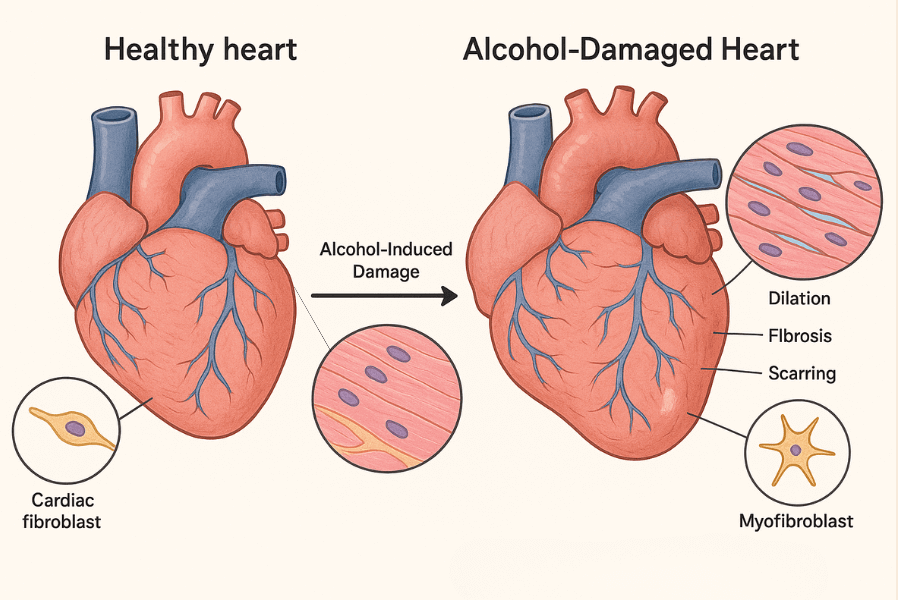
Prolonged alcohol use leads to visible structural changes within the heart. The ventricles, especially the left ventricle, become dilated, forcing the heart to work harder to pump blood. Over time, this stretching causes fibrosis, or the buildup of stiff scar tissue that replaces healthy muscle.
These changes reduce elasticity, lower pumping efficiency, and create the classic signs of alcoholic cardiomyopathy: fatigue, swelling in the legs, and shortness of breath. In severe cases, scarring becomes irreversible, even after alcohol use stops.
Electrical Disruption and Arrhythmias
Alcohol also interferes with the heart’s electrical conduction system, the network that coordinates every heartbeat. It alters electrolyte balance, particularly potassium and magnesium — which are vital for stable rhythm.
As a result, many people experience atrial fibrillation, tachycardia, or other irregular rhythms after drinking. These arrhythmias increase the risk of blood clots and stroke, making alcohol-related heart damage not only structural but also potentially life-threatening.
Does Alcohol Damage Your Heart Permanently?
The answer is yes it can…..The heart is a remarkably resilient organ, but chronic alcohol use can push it beyond repair. When drinking becomes excessive or long-term, the effects extend far beyond temporary rhythm changes leading to structural damage that can, in many cases, become irreversible.
Alcoholic Cardiomyopathy: The Core of Irreversible Heart Damage
One of the most serious consequences of heavy or prolonged alcohol use is alcoholic cardiomyopathy, a condition where the heart weakens and stretches, losing its ability to pump blood effectively.
As alcohol and its toxic byproducts repeatedly inflame and injure heart cells, healthy muscle tissue is replaced by fibrosis and scar tissue. Over time, the walls of the heart chambers become thin and enlarged, permanently impairing heart function.
Once significant scarring develops, these changes are largely irreversible, even if alcohol consumption stops. This condition often leads to chronic heart failure, where the heart cannot meet the body’s oxygen demands.
What Determines Whether Heart Damage Is Reversible?
The good news is that early intervention can make a big difference.
The reversibility of alcohol-related heart damage depends on:
Drinking patterns and duration: The heavier and longer the alcohol exposure, the greater the damage.
Overall health and nutrition: Deficiencies in thiamine (Vitamin B1) and other nutrients can worsen damage.
Timely lifestyle changes: Stopping alcohol use early and supporting recovery with medical care, hydration, and nutrient therapy can help restore partial heart function in mild cases.
Long-Term Risks: Heart Failure and Sudden Cardiac Death
When these symptoms go untreated there is an increases risk of congestive heart failure, arrhythmias, and sudden cardiac death.
As the heart becomes weaker, fluid builds back up into the lungs and extremities, oxygen levels decrease, and the risk of life-threatening electrical instability rises. This makes early detection and consistent care critical for anyone with a history of heavy alcohol use.
What Are the Symptoms of Alcohol-Related Heart Problems?
Common Early Warning Signs
As alcohol begins affecting heart function, the symptoms may seem mild or unrelated at first. Common early indicators include:
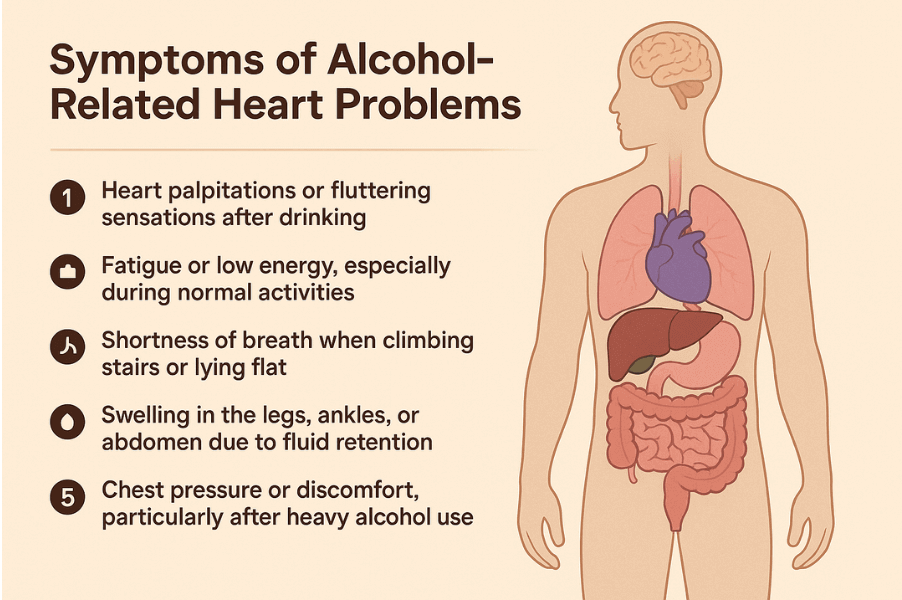
Symptoms of Arrhythmias and Heart Failure
Alcohol can trigger arrhythmias such as atrial fibrillation or tachycardia, causing:
Rapid, irregular, or pounding heartbeat
Dizziness or lightheadedness
Fainting episodes
Anxiety or a feeling that “something isn’t right” with your pulse
As alcohol misuse continues, it can progress to heart failure, marked by:
Severe fatigue and weakness
Persistent swelling of feet, ankles, or abdomen
Difficulty breathing, even at rest
Unexplained weight gain from fluid buildup
Chronic cough or wheezing due to lung congestion
These symptoms reflect the heart’s reduced ability to pump blood effectively — a hallmark of alcohol-induced heart damage.
When to Seek Medical Attention
You should seek medical care immediately if you experience:
Sudden or severe chest pain
Rapid or irregular heartbeat that lasts more than a few minutes
Shortness of breath at rest
Fainting or dizziness after drinking
Can Alcohol Increase the Risk of Heart Disease and Hypertension?
Yes, alcohol can significantly raise your risk of heart disease, high blood pressure, and stroke. Current research shows that even small amounts can contribute to long-term vascular and metabolic strain.
Alcohol and Elevated Blood Pressure
Heavy or regular alcohol use directly increases blood pressure by affecting the central nervous system and narrowing blood vessels. This constant strain damages artery walls, making them more prone to inflammation, plaque buildup, and rupture. Over time, the result is an elevated risk for stroke, heart attack, and heart failure. Each drinking episode can temporarily raise blood pressure, but chronic use leads to sustained hypertension, forcing the heart to pump harder against stiffened arteries.
Alcohol as a Risk Factor for Coronary Artery Disease and Stroke
Alcohol impacts more than just blood pressure it disrupts lipid metabolism and increases inflammation throughout the vascular system.
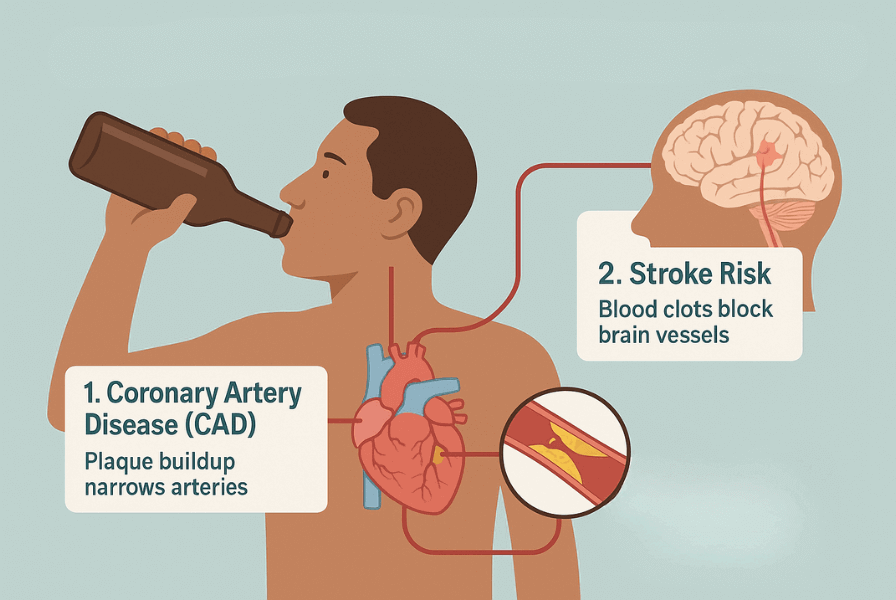
Coronary artery disease (CAD): Alcohol promotes the oxidation of LDL cholesterol (“bad” cholesterol) and reduces HDL (“good” cholesterol) over time. These changes accelerate plaque formation in coronary arteries, restricting oxygen supply to the heart.
Stroke risk: High blood pressure combined with arrhythmias, like atrial fibrillation caused by alcohol, can lead to blood clots that travel to the brain resulting in ischemic stroke.
Studies confirm a direct correlation between alcohol intake and stroke incidence, especially in individuals who binge drink or have preexisting hypertension. It has also been linked to elevated cholesterol levels. High triglyceride levels are another common effect of alcohol further compound the risk by thickening the blood and promoting fatty deposits along artery walls.
How Does Alcohol Affect Blood Vessels?
Alcohol doesn’t just influence the heart it also has powerful effects on the blood vessels that carry oxygen and nutrients throughout the body. Frequent or heavy drinking leads to vascular inflammation, stiffening, and impaired circulation, all of which increase the risk of high blood pressure, heart disease, and stroke.
Vascular Inflammation and Impaired Dilation
Short term, alcohol use may cause temporary dilation (flushing or warmth), but chronic use reverses this effect. Over time, blood vessels become rigid and inflamed, forcing the heart to work harder to maintain circulation.
This process raises blood pressure and sets the stage for hypertension and vascular disease.
Contribution to Atherosclerosis Development
Alcohol accelerates the buildup of plaque inside arteries, a process called atherosclerosis. It increases the oxidation of LDL cholesterol (“bad” cholesterol) and reduces the protective HDL levels, while also promoting inflammation that causes fatty deposits to adhere to vessel walls.
As these plaques grow, they narrow the arteries, restrict blood flow, and raise the risk of heart attack and stroke.
In some cases, unstable plaques can rupture, forming clots that block blood flow to vital organs. Chronic alcohol use also affects peripheral circulation the smaller blood vessels in your hands, feet, and extremities. Damaged vessels struggle to carry blood efficiently, leading to:
Cold or tingling sensations in the hands and feet
Slow wound healing due to reduced oxygen delivery
Swelling or changes in skin color from poor circulation
In severe cases, poor circulation can contribute to neuropathy (nerve damage) and tissue breakdown, especially when combined with nutrient deficiencies like low thiamine or folate.
Conclusion
Alcohol’s effects extend far beyond a temporary buzz they reach deep into the heart and cardiovascular system, influencing everything from heart rhythm and muscle strength to blood vessel health and circulation.
Excessive or long-term drinking can cause hypertension, arrhythmia, cardiomyopathy, vascular inflammation, and atherosclerosis, all of which raise the risk of heart failure and stroke. Even moderate drinking can increase heart rate, blood pressure, and oxidative stress inside cardiac cells.
The key takeaway: your heart works best when alcohol intake is limited or eliminated. If you drink, practice moderation and pay attention to how your body responds. Warning signs like fatigue, palpitations, or shortness of breath deserve prompt medical attention, not dismissal.
Frequently Asked Questions
-
Alcohol can begin affecting the heart within hours of consumption by raising your heart rate and blood pressure. While occasional use may not cause lasting harm, repeated binge drinking or chronic intake can lead to measurable changes such as elevated blood pressure, inflammation, and early heart muscle weakening within months to a few years, depending on overall health and genetics.
-
In its early stages, alcoholic cardiomyopathy can improve when alcohol use stops. The heart muscle may partially recover strength and function with time, proper nutrition, and medical support.
However, once scar tissue and fibrosis have developed, the damage becomes irreversible. This is why early detection and intervention are critical. It is best to provide ongoing monitoring, lab work, and guidance to help patients identify issues before permanent damage occurs. -
Common symptoms include:
Persistent fatigue and weakness
Shortness of breath, even during mild activity or rest
Swelling in the legs, ankles, or abdomen
Rapid or irregular heartbeat
Chest discomfort or pressure
These signs indicate that the heart may be struggling to pump effectively and should be evaluated promptly by a healthcare professional.
-
Alcohol interferes with the heart’s electrical conduction system and disrupts electrolyte balance particularly potassium and magnesium which are vital for normal rhythm.
This imbalance can trigger irregular heartbeats such as atrial fibrillation or tachycardia, often referred to as “holiday heart syndrome.” Even moderate drinkers can experience temporary arrhythmias after binge drinking episodes. -
Yes. Alcohol raises the risk of high blood pressure, coronary artery disease, stroke, and heart failure. It contributes to inflammation of blood vessels, oxidative stress, and elevated triglyceride levels, all key drivers of cardiovascular disease.
Limiting alcohol intake or avoiding it altogether is one of the most effective ways to protect long-term heart health.