
10 Essential Summer Health Tips to Stay Fit and Energized
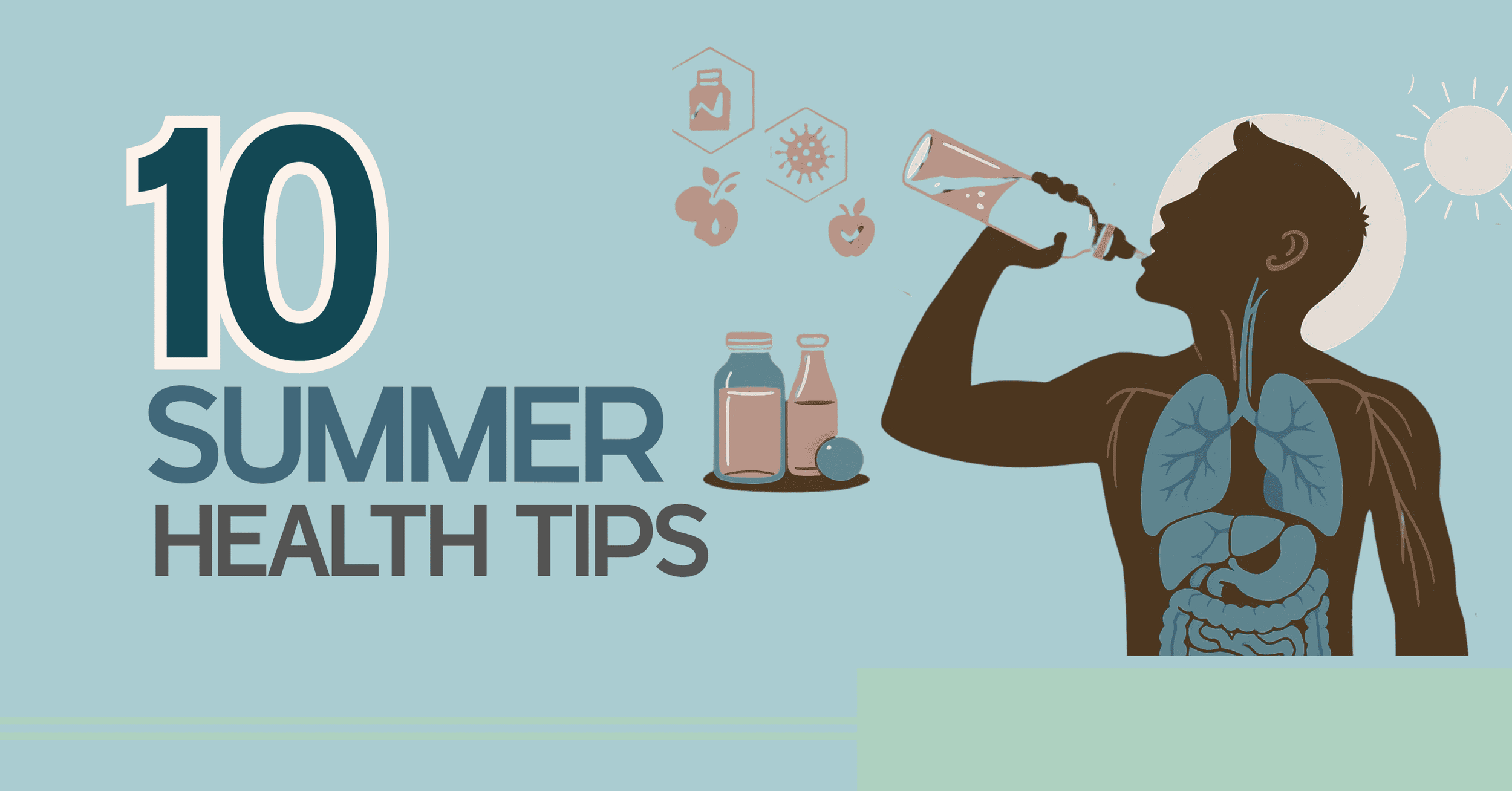
Summer heat can take a serious toll on the body, especially here in sunny Tampa Bay and it’s no surprise that many people feel more tired, sluggish, and dehydrated during this season. Hot weather forces your body to work harder to stay cool, which increases sweat loss, drains electrolytes, and can leave you feeling exhausted. When water intake drops, your blood pressure, heart rate, and energy levels can shift, making everyday tasks feel much more challenging. Even mild dehydration can trigger headaches, dizziness, muscle cramps, and decreased focus.
But here’s the good news: with the right habits, you can stay energized, cool, and healthy all summer long. Today, you’ll learn 10 essential health tips to protect your body from heat stress, boost hydration, and maintain steady energy throughout the day. These strategies are simple, practical, and designed to help you thrive, not just survive in this hot Florida weather.
By following these tips, you’ll improve your energy, support better hydration, enhance physical performance, and reduce your risk of heat-related illnesses. Whether you’re working outdoors, exercising, running errands, or enjoying time with family, these summer health habits will help you stay strong, alert, and comfortable all season long.
1. Master Electrolyte Hydration Beyond Plain Water
When the Florida summer heat ramps up, plain water isn’t always enough to keep your body properly hydrated. As you begin to sweat, you lose essential electrolytes like sodium, potassium, and magnesium. These are minerals that help regulate muscle function, nerve signaling, and energy levels. Replacing these effectively can make the difference between feeling energized or completely wiped out.
DIY Electrolyte Drink Recipes
Skip the sugary bottled sports drinks and make your own clean, balanced hydration blend:
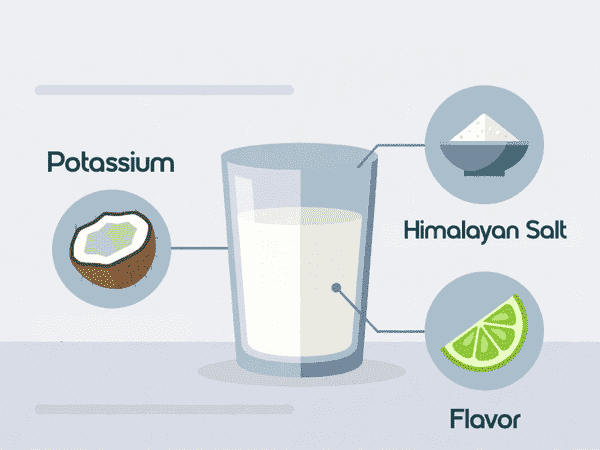
Option 1: Coconut Water Rehydrator
8–12 oz coconut water (natural potassium source)
1/8 tsp Himalayan or sea salt
Optional: squeeze of lime for flavor
Option 2: Lemon-Honey Electrolyte Mix
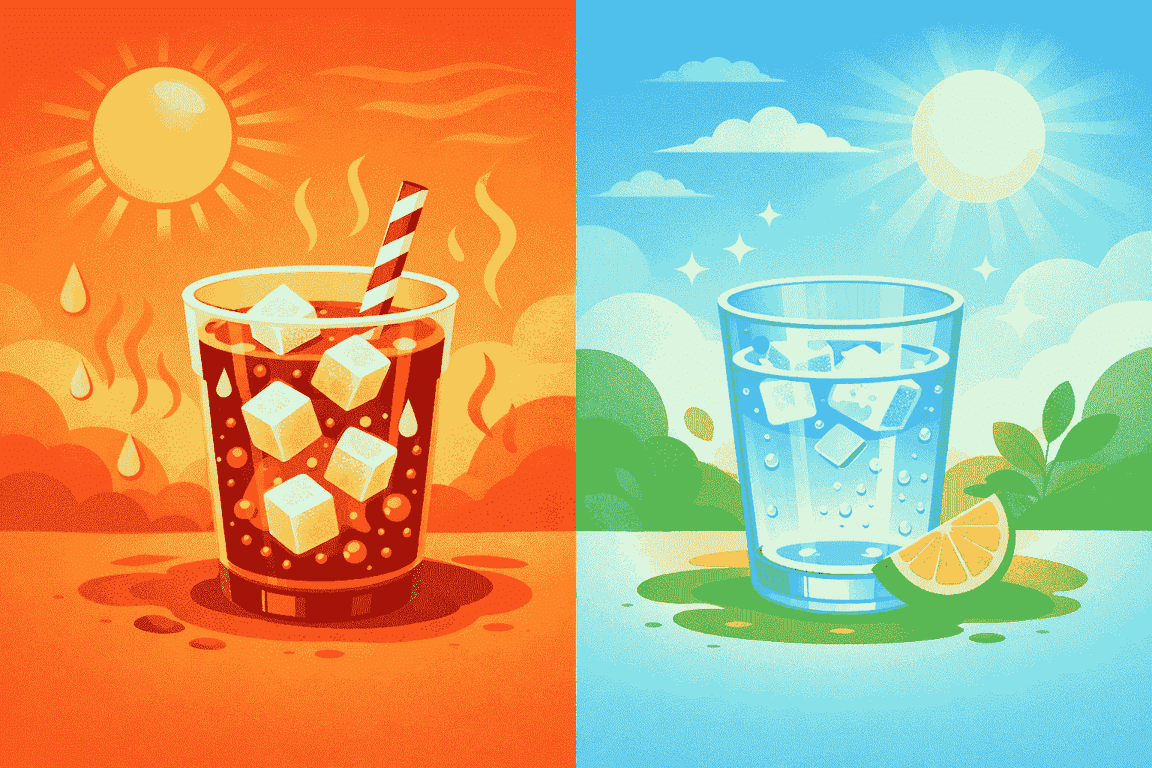
12 oz water
1–2 tbsp lemon juice
1 tsp raw honey
Pinch of Himalayan salt
These combinations support better fluid absorption and help prevent muscle cramps, dizziness, and summer fatigue.
Adaptogen Boost (Optional)
For people looking to support stress resilience in the heat, adding natural adaptogens may help balance cortisol levels:
Ashwagandha
Rhodiola
Holy basil (Tulsi)
Use small doses and confirm with your provider if you’re pregnant, on medications, or managing chronic conditions.
Hydration Timing: Sip Smart, Not Fast
Chugging water all at once can overwhelm your system and reduce absorption. A better approach:
Small sips every 15 minutes during outdoor work or exercise
Increase frequency if sweating heavily
Pair hydration with light sodium intake to maintain balance
Avoiding Hyponatremia
Drinking too much water without electrolytes can dilute sodium levels, leading to hyponatremia a dangerous condition causing nausea, confusion, and even fainting. Signs you're drinking too much plain water include persistent headaches, bloating, and clear urine all day.
Balanced hydration prevents this and keeps energy stable.
Sports Drinks vs. DIY Electrolytes
Commercial sports drinks offer convenience, but many come loaded with:
High sugar
Artificial dyes
Unnecessary calories
DIY mixes often provide:
Cleaner ingredients
Better electrolyte ratios
Customizable flavors
Lower sugar levels
Bottom line: A mindful blend of electrolytes, steady sipping, and adaptogen support helps you stay hydrated, energized, and safer during scorching summer days.
2. Build Meals Around Cooling, Nutrient-Dense Superfoods
Summer is the perfect time to lighten your meals and fuel your body with cooling, hydrating, nutrient-packed superfoods. Heavy, greasy meals slow digestion, increase internal heat, and leave you feeling sluggish, especially when temperatures soar. By shifting toward lighter, anti-inflammatory foods, you can boost energy, stay hydrated, and support digestion all season long.
Cooling Power Bowl Ideas
Power bowls are easy, refreshing, and incredibly nutrient-dense. Here are two energizing summer combos your body will love:
Quinoa + Zucchini Cooling Bowl
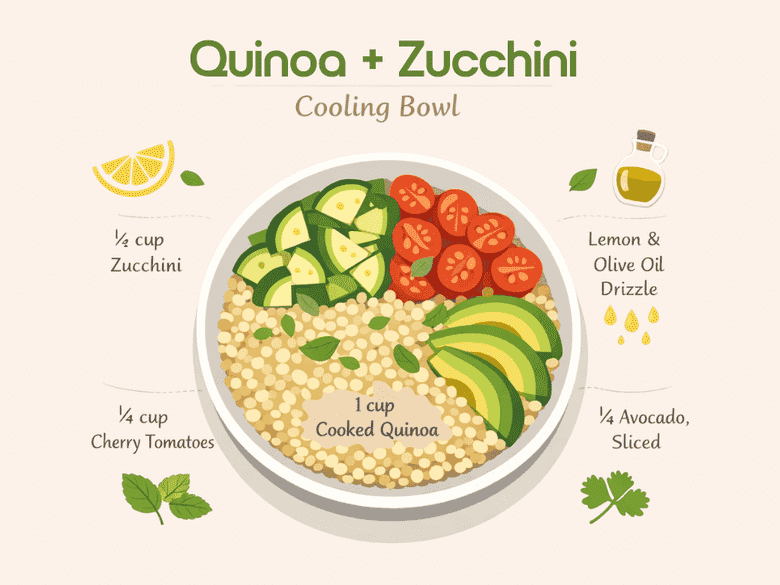
1 cup cooked quinoa (complete protein + minerals)
½ cup sautéed or raw zucchini
¼ cup cherry tomatoes
¼ avocado
Drizzle with lemon + olive oil
Sprinkle fresh mint or cilantro
Why it works: quinoa is high in magnesium and B vitamins, while zucchini is 95% water a perfect duo for hydration and stamina.
Watermelon + Feta Hydration Bowl
1–2 cups cubed watermelon
2 tbsp feta cheese
Fresh mint
Lime juice
Optional: sprinkle chia seeds for fiber + omega-3
This combo delivers: electrolytes, antioxidants, and steady hydration from watermelon’s naturally high-water content.
Spotlight Superfood: Prickly Pear (Nopal)
Prickly pear is an incredible summer hydration and inflammation-fighting powerhouse.
Benefits include:
High in antioxidants
Supports blood sugar balance
Help reduce inflammation
Aids hydration due to its natural water and electrolyte content
Enjoy it grilled, blended into smoothies, or chopped into salads for a refreshing kick.
7-Day Cooling Summer Meal Planner (Quick Outline)
Day 1: Quinoa + zucchini bowl
Day 2: Watermelon, feta & mint salad
Day 3: Prickly pear tacos with cabbage slaw
Day 4: Greek yogurt + berries + chia
Day 5: Cucumber, avocado & shrimp salad
Day 6: Cold soba noodles with edamame
Day 7: Mango + spinach smoothie bowl
This flexible plan helps balance hydration, energy, and nutrient intake — without the heaviness of traditional meals.
Visualizing Calories (Encouraging Readers)
Heavy fried meals: 700–1,200+ calories, low hydration
Light cooling bowls: 300–500 calories, high nutrient density
Hydrating fruits (watermelon, berries, cucumbers): 30–80 calories per cup, rich in antioxidants
These lighter options support endurance, mood, and thermoregulation in the Florida heat.
3: Shift to Time-Hacked Workout Windows with Smart Tech
Exercising in the Florida summer heat requires strategy and timing is everything. When temperatures rise, working out at the wrong time can drain your energy, increase dehydration risk, and even lead to heat exhaustion. By shifting to time-optimized workout windows and using tech to guide your routine, you can stay fit, safe, and energized all summer long.
Best Workout Times in Summer (Heat-Safe Windows)
The coolest, safest, and most productive times to exercise are early in the day, when the sun hasn’t fully intensified:
5:00–7:00 AM — Peak Performance Window
Your body temp is lower, the air is cooler, UV exposure is minimal, and energy levels rebound quickly after cooling down. This is the ideal slot for cardio, HIIT, or outdoor running or strength sessions.7:00–9:00 AM — Secondary Safe Window
Still manageable, but heat rises quickly. Great for brisk walks, jogs, or shorter workouts.Avoid 10 AM–4 PM unless training indoors this is when heat index and sun exposure is at its peak.
Your body will feel lighter, your performance stronger, and your recovery smoother when exercising during these morning windows.
Use Tech Alerts to Outsmart the Heat
Smartphone apps make it easier than ever to exercise safely by letting you track:
UV index
Heat index (feels-like temperature)
Air quality
Humidity levels
Top apps to consider:
EPA UV Index App
Apple Weather alerts
AccuWeather RealFeel® Heat Warnings
Athlytic or WHOOP integrations
Get alerts for high UV or dangerous heat so you can adjust workout intensity or move indoors when needed.
30-Min Heat-Efficient Circuits
On peak heat days, shorter, smarter workouts deliver better results than long outdoor sessions. Try:
10 min: power walk or slow jog warm-up
10 min: rotating bodyweight circuits (squats, pushups, lunges, planks)
10 min: cool-down stretch + deep breathing
These micro-workouts keep your metabolism humming without overheating your system.
Wearables for Heat Acclimation & Recovery
Devices like WHOOP, Oura Ring, Garmin, or Fitbit can help you track:
Strain vs. recovery balance
Skin temperature and HRV changes
Hydration stress
Acclimation to heat exposure
WHOOP, specifically, offers heat strain insights that show how well your body is adapting to warmer weather, helping you push safely and avoid overtraining.
Bottom Line:
Work out smarter, not harder. Heat-optimized timing + heat index alerts + recovery tracking = safer workouts, better results, and sustained energy all summer.
4: Unlock Water-Based HIIT for Zero Heat Gains
When the summer heat feels relentless, it’s time to take your workout where the temperature is on your side the water. Water-based HIIT delivers the intensity of land workouts without scorching heat, making it one of the smartest, safest, and most energizing ways to stay fit during hot weather. The natural resistance of water boosts calorie burns while keeping your core temperature cool and stable.
Aqua-HIIT Sequences That Torch Calories
Water increases resistance 12–14 times more than air, meaning simple moves become powerful strength and cardio builders.
Try this 15-minute Aqua-HIIT set:
1. Water Burpees (45 sec)
Squat underwater → jump explosively → surface → repeat
Burns: ~8–10 calories/min
2. High-Knee Jog in Place (45 sec)
Drive knees up fast, push water for extra resistance
Burns: ~6–9 calories/min
3. Jump Lunges (45 sec)
Switch legs mid-air underwater
Low joint impact + high stability challenge
4. Treading Sprints (45 sec)
Fast arm-and-leg treading in deep water
Full-body burn
Rest 15 seconds between each.
Repeat 3 rounds.
Total calories burn: 150–250 calories in just 15 minutes, depending on fitness level.
Beginner Progressions (Start Slow, Build Strong)
If you’re new to water workouts, here’s how to scale safely:
Begin in waist-deep water for easier movement
Slow down reps and increase time under tension
Use pool noodles or kickboards for support
Start with 10 minutes, add 2–3 minutes weekly
Water softens impact, protects joints, and keeps heart rate in a safe zone perfect for beginners, seniors, or anyone recovering from injury.
Why Water HIIT Works Wonders in Summer
Water-based workouts offer:
Lower core temperature → no overheating
Built-in resistance → higher intensity with less impact
Improved circulation
Better hydration maintenance
Faster recovery
It’s the ultimate hack for staying fit while beating the heat.
5: Dial Down Intensity with Personalized Heat Metrics
Summer workouts shouldn’t rely on guesswork especially when heat and humidity can push your body into danger zones faster than you expect. By using personalized heat metrics, tracking how your body responds, and adjusting intensity accordingly, you can stay fit, safe, and energized all season without flirting with heat exhaustion.
Create Your Own DIY Heat-Intensity Calculator
A simple formula can help you gauge whether the environment is safe for your planned workout:
Heat Stress Score = (Temperature °F + Humidity %) ÷ 2
Score < 90: Safe for moderate-intensity exercise
Score 90–100: Reduce intensity; shorten workout duration
Score 101–110: High heat stress — stay indoors or switch to water-based exercise
Score >110: Avoid outdoor workouts altogether
This formula isn’t medical grade, but it’s a helpful everyday tool to estimate your risk level.
Know the Red Flags of Heat Overload
Listening to your body is just as important as watching weather numbers. If you notice any of these signs, stop immediately, hydrate, and move to shade or AC:
Sudden dizziness or lightheadedness
Headache
Rapid heart rate
Excessive fatigue
Nausea
Muscle cramps
Chills or goosebumps despite heat
Confusion or “foggy” thinking
These symptoms signal rising heat stress, which can quickly escalate heat exhaustion or heat stroke if ignored.
How Adjusting Intensity Protects Your Body
Dialing down intensity on high-heat days helps:
Prevent heat exhaustion and dehydration
Reduce cardiovascular strain
Protect kidney function
Maintain steady energy throughout the week
Improve long-term fitness by preventing overtraining
Your body performs differently in the heat respecting that physiology keeps you stronger in the long run.
6: Curate Indoor Cool Zones for Consistent Momentum
When outdoor temperatures spike, your workout routine doesn’t need to stall you just need a cool, energizing indoor environment that keeps your body safe and your motivation high. Designing a simple “cool zone” at home helps you stay active, avoid heat exhaustion, and maintain your fitness streak even during the hottest days of summer.
Build a Heat-Proof Home Setup (Simple & Affordable)
A great indoor training space doesn’t need to be fancy. A few strategic upgrades can dramatically improve comfort:
✔ Fans + Cross Ventilation
Use two fans: one pulling cool air in, the other pushing warm air out.
Position them at opposite ends of the room for a natural airflow tunnel.
✔ Blackout Curtains or Thermal Drapes
Reduce indoor heat by blocking harsh sun.
Keeps your space cooler all day, not just during workouts.
✔ Hydration Station
Keep a chilled bottle of electrolyte water nearby.
Add a small table for towels, supplements, and devices.
The $50 Indoor Fitness Gear Pack (Budget-Friendly & Effective)
You can create a versatile indoor gym with just a few inexpensive tools:
Resistance bands ($10–15)
Jump rope ($10)
Gliding discs for core & HIIT ($10–15)
Yoga mat ($10–20)
This compact kit supports cardio, strength training, mobility, and fat-burning workouts — all without generating extra heat.
Benefits of Cool Zone Training
Creating a dedicated indoor space helps you:
Stay consistent even in extreme heat
Prevent dehydration and overheating
Maintain better workout performance
Increase overall weekly activity
Protect energy levels & reduce heat fatigue
When your environment works with you, not against you, your fitness journey becomes unstoppable, no matter how brutal the summer gets.
7: Layer Sun Defense with Fitness-Forward Gear
Summer workouts don’t just challenge your muscles, they challenge your skin, too. Strong UV rays, reflective surfaces, and sweat can all intensify sun exposure during outdoor exercise. By layering smart sun protection + athletic-friendly gear, you can boost performance, reduce skin damage, and recover faster after hot-weather training.
Upgrade Your Gear: UPF 50+ Athletic Wear That Works
Unlike regular clothing, UPF-rated athletic wear is designed to block harmful UV radiation directly at the fabric level a game-changer for runners, cyclists, and outdoor fitness lovers.
Top features to look for:
UPF 50+ rating (blocks 98% of UV rays)
Moisture-wicking fabric to prevent overheating
Mesh ventilation zones
Quick-dry technology for sweat-heavy sessions
Long-sleeve featherweight designs that feel cooler than bare skin
Popular UPF workout brands with standout performance:
Coolibar Active — ultra-light, breathable long sleeves
Nike Dri-FIT UV — athletic cut with built-in UPF protection
Under Armour Iso-Chill — fabric designed to feel cold on the skin
Columbia Omni-Shade — budget-friendly with strong UPF ratings
These clothes keep you cooler, shield your skin, and help maintain steady performance in peak sun hours.
DIY Zinc Sunscreen Spray (Natural & Sweat-Resistant)
For athletes who want cleaner, mineral-based protection, a DIY zinc spray can be a great addition:
Basic recipe:
1 cup distilled water
½ tsp non-nano zinc oxide (the actual UV shield)
1 tsp aloe vera juice
4–6 drops lavender or tea tree oil (optional)
Shake well before each use.
Why zinc?
It sits on top of the skin, providing physical UV protection instead of chemical absorption ideal for long, sweaty workouts.
Sweat Resistance: What Actually Holds Up During Workouts?
During summer fitness, most sunscreens break down quickly, but these formulas tend to last longest:
Zinc-based mineral sunscreens (best at resisting sweat)
Sport-stamped SPF 30–50 formulas
Gel or stick sunscreens, which don’t drip into eyes
Linebacker-style zinc sticks for high-sweat zones (nose, cheeks, forehead)
Tip: Reapply every 60–90 minutes outdoors sweat is a natural SPF eraser.
Add Arnica for Post-Sun, Post-Workout Recovery
Heat + sun + physical exertion = inflammation.
Arnica can help with that.
Arnica gel benefits:
Reduces swelling in tired legs
Helps bruising from activities like trail running or HIIT
Provides cooling relief after long sun exposure
Apply after workouts to boost recovery and soothe overheated muscles.
Why Layered Sun Defense Matters for Athletes
Smart sun protection helps you:
Avoid sunburn (which disrupts hydration and recovery)
Prevent heat-accelerated skin aging
Maintain steady heart rate output
Reduce inflammation from UV exposure
Stay outdoors safely for longer sessions
When your skin stays cool and protected, your performance stays sharper with no unnecessary energy wasted on repairing sun damage.
8: Optimize Hot Night Sleep with Biohacks
Summer heat doesn’t just drain you during the day it can wreck your sleep at night. Hot bedrooms disrupt melatonin production, raise core body temperature, and make it harder for your muscles and nervous system to recover. With the right Biohacks, you can cool your sleep environment, sync your circadian rhythm, and score deeper, more restorative rest even on the hottest nights.
Upgrade Your Environment: Cooling Toppers & Smart Bedding
Your bedding setup can make or break your summer sleep quality. Cooling sleep gear works by pulling heat away from your body and enhancing airflow.
Top options that make an immediate difference:
Cooling mattress toppers
Gel-infused memory foam
Breathable latex
Phase-change material toppers that actively shift heat away
Cooling pillows
Ventilated latex pillows
Gel grid pillows
Moisture-wicking bamboo covers
Temperature-regulating sheets
Eucalyptus (Tencel)
Linen (naturally breathable)
Cotton percale (crisp + cool)
These upgrades reduce night sweats, keep your core temp stable, and support deeper REM cycles.
Master a Pre-Bed Heat-Shedding Routine
Cooling your body before bed is just as important as cooling the room.
Try this heat-optimized routine:
Take a warm (not cold) shower
This triggers vasodilation → your body cools rapidly afterward.Apply a muscle relaxation routine
Light stretching
Progressive muscle relaxation
5 minutes of slow breathing
This lowers cortisol and prepares your brain for rest.Sip a hydration blend one hour before bed
A small electrolyte drink keeps nighttime cramps and dehydration away but finish early enough to avoid waking up to use the bathroom.Limit big meals 2–3 hours before sleep
Digestion generates internal heat and disrupts melatonin.
These habits tell your nervous system that it’s time to power down and sleep.
Use Chronobiology to Sync Melatonin Naturally
Summer sunsets happen late and that can delay your circadian rhythm unless you support melatonin release intentionally.
Biohacks to reset your rhythm:
Blue light blockers after sunset
Reduce melatonin suppression by up to 50%.No screens within 60 minutes of bed
Replace with light reading or journaling.Red-light lamps in the evening
Support natural melatonin production without stimulating the brain.Morning sunlight (5–10 min)
Anchors your circadian rhythm so nighttime melatonin rises on schedule.
Consistent sleep timing boosts recovery, muscle repair, and daytime alertness — especially in hot weather.
Why Better Sleep = Better Heat Recovery
Optimizing summer sleep helps you:
Lower nighttime heart rate
Improve muscle recovery after hot workouts
Reduce inflammation caused by heat exposure
Stabilize mood and cognitive performance
Wake up hydrated and energized
When your body cools properly at night, you don’t just sleep you rebuild.
9: Avoid Sugary Drinks & Alcohol to Stay Truly Hydrated
When temperatures soar, grabbing a cold soda, sweet tea, or cocktail might feel refreshing but these drinks can actually make dehydration worse. Sugary beverages and alcohol disrupt fluid balance, spike blood sugar, and accelerate water loss, leaving you more tired, overheated, and at risk for heat-related issues.
Why Sugary Drinks Backfire in Hot Weather
Sugary drinks may cool you down briefly, but inside the body, they cause:
Rapid blood sugar spikes → followed by major crashes
This triggers fatigue, headaches, and irritability especially during summer heat.Increased urination
Excess sugar pulls water into the kidneys, dehydrating you faster.Electrolyte imbalance
High sugar intake reduces sodium balance, making hydration less effective.
Drinks to limit or avoid:
Sodas
Sweet teas
Lemonades with added sugar
Store-bought fruit juices
Energy drinks
These drinks don’t replenish what heat steals from your body they actually drain you more.
How Alcohol Intensifies Dehydration
Alcohol is a diuretic, meaning it causes the body to lose more fluid than it takes in. Combine that with high heat, and dehydration can spiral quickly.
Alcohol can cause:
Increased urination → rapid fluid loss
Electrolyte depletion
Higher heart rate in hot weather
Impaired temperature regulation
Poor sleep, which worsens next-day heat fatigue
Even one drink outdoors in summer heat can hit harder than usual.
If you do drink, follow this rule:
1 alcoholic drink = 2 glasses of water
…and avoid drinking during peak sun hours.
Hydrating Mocktail Alternatives (Delicious & Heat-Friendly)
These options keep you cool without the crash:
🥒 Cucumber Mint Refresher
Sparkling water
Cucumber slices
Mint leaves
Squeeze of lime
🍉 Watermelon Electrolyte Cooler
Blended watermelon
Splash of coconut water
Pinch of sea salt
Serve over ice
🍍 Pineapple Ginger Spritzer
Club soda
Splash of pineapple juice
Fresh ginger slices
Rosemary sprig
🥭 Mango Tajín Mocktail (Electrolyte-Friendly)
Mango puree
Mineral water
Tajín rim
Lime squeeze
These drinks hydrate, support electrolyte balance, and help stabilize blood sugar perfectly for hot weather or intermittent fasting days when energy needs to stay steady.
Why This Matters for Summer Wellness
Avoiding sugary drinks and alcohol helps:
Preventing dehydration
Maintain steady energy
Reduce heat exhaustion risk
Support better workouts
Improve sleep and recovery during hot nights
Energy, focus, and stamina all last longer when your hydration works with you, not against you.
10: Track Progress with a Summer Fit Scorecard
Staying energized, hydrated, and healthy all summer long becomes much easier when you can actually see your progress. A Summer Fit Scorecard turns your daily habits into measurable wins helping you stay consistent even through heat waves, busy schedules, and fluctuating energy levels. When you track your habits weekly, patterns become clearer, motivation skyrockets, and long-term wellness becomes way more sustainable.
Build Your Weekly Summer Fit Audit Template
A simple, structured scorecard keeps everything organized and easy to follow. Here’s a plug-and-play format your readers can use immediately:
Weekly Summer Fit Scorecard (Rate Each Day 1–5)
| Category | M | T | W | Th | F | Sa | Su |
|---|---|---|---|---|---|---|---|
| Hydration (electrolytes + water) | |||||||
| Cooling meals (superfoods) | |||||||
| Exercise timing (AM window) | |||||||
| Indoor cool zone training | |||||||
| Sun protection layers | |||||||
| Nighttime recovery sleep | |||||||
| Sugar/alcohol avoidance | |||||||
| Mental recovery practices |
Weekly Score: Add all numbers
Goal: 200+ points = excellent consistency, 140–199 = solid, <140 = needs tuning
This visual format makes it EASY to spot areas needing improvement.
Integrate With Your Favorite Fitness Apps
Bring your scorecard into the digital world by syncing it with apps such as:
Strava (track AM workouts, mileage, heat index exposure)
MyFitnessPal (log cooling meals + hydration)
Habit Tracker (check off daily Biohacks)
WHOOP / Oura (monitor recovery + sleep quality)
Apple Health (combine hydration, sleep, heart rate trends)
Apps give automatic reminders and build consistency over the entire summer.
Why a Scorecard Works
Tracking habits helps you:
Stay accountable
Identify weak spots (like sleep or hydration)
Measure progress even when motivation dips
Build long-term summer wellness routines
Maintain energy + avoid burnout
Consistency is the REAL secret weapon in hot-weather fitness, and your scorecard keeps you on track all season long.
Visit us at Progressive Healthcare DPC and become a member
Frequently Asked Questions
-
Most adults need 2–3 liters per day, but in hot weather especially if you're active you may need up to 3–4 liters. If you’re sweating heavily, add electrolytes to avoid imbalance and support proper hydration. A good rule: your urine should be pale yellow, not clear or dark.
-
The safest options include:
Early morning workouts (5–7 AM)
Indoor or air-conditioned training
Water-based workouts like Aqua-HIIT, swimming, or pool jogging
Shorter, low-to-moderate intensity sessions
Avoid high-intensity outdoor workouts between 10 AM–4 PM, when heat index and UV exposure peak.
-
Try these simple strategies for cooler, deeper sleep:
Use cooling mattress toppers, pillows, or breathable sheets
Take a warm shower 1 hour before bed to trigger heat release
Block out blue light with glasses or red-light lamps
Keep your room between 60–67°F (or use fans + blackout curtains)
Practice muscle relaxation or deep breathing before bed
These habits help regulate melatonin and reduce nighttime overheating.
-
Choose water-rich, nutrient-dense foods that keep your digestion light and your energy stable:
Watermelon, pineapple, cucumber, berries
Quinoa, zucchini, spinach
Greek yogurt with chia seeds
Prickly pear, mango, citrus fruits
Lean proteins like fish and chicken
Avoid heavy, fried meals that increase metabolic heat and fatigue.
-
Yes especially if you’re sweating, active, or recovering from sun exposure. Electrolyte drinks help replace sodium, potassium, and magnesium lost in heat. Choose low-sugar options or make your own with coconut water, sea salt, lemon, and honey. Avoid overhydrating with plain water to prevent dilution of electrolytes.
-
It’s best to limit alcohol, especially outdoors. Alcohol dehydrates the body, raises heart rate, disrupts sleep, and increases the risk of heat exhaustion. If you do drink, hydrate aggressively two glasses of water per alcoholic drink and avoid drinking during peak heat hours.