
Essential Heat Safety Tips to Protect Your Health This Summer
As summer temperatures rise, so do the risk of heat-related health problems, especially in sunny, humid regions like Tampa Bay, Florida. Practicing heat safety isn’t just about staying comfortable; it’s about protecting your overall well-being. Excessive heat can quickly lead to dehydration, fatigue, and more serious conditions like heat exhaustion or heatstroke, which can become life-threatening if ignored.
Understanding the dangers of summer heat and taking simple precautions can help you stay active and healthy all season long. From staying hydrated and dressing appropriately to recognizing early signs of heat-related illness, a proactive approach is key. We empower our Tampa community to enjoy the outdoors safely with personalized summer health tips and preventive care plans designed to protect your health this summer and beyond.
What Are the Best Heat Safety Tips to Protect Your Health in Summer?
Understanding the importance of heat safety is the first step toward preventing illness during Tampa’s hottest months. High humidity, strong UV rays, and temperatures that often soar into the 90s can put significant stress on your body. Without proper precautions, you may experience dehydration, dizziness, or even serious heat-related conditions such as heat exhaustion or heatstroke. Staying aware of your surroundings, your body’s warning signs, and local weather conditions helps you act before symptoms become dangerous.
General Heat Safety Measures
Hydrate consistently: Drink water throughout the day even before you feel thirsty. Include electrolyte-rich fluids if you’re exercising or sweating heavily.
Seek shade and rest: When outdoors, take frequent breaks in shaded or air-conditioned areas to give your body a chance to cool down.
Dress smart: Wear light-colored, loose, and breathable fabrics that allow sweat to evaporate and help your body stay cool.
Plan your activities wisely: Schedule outdoor exercise or errands during the early morning or evening when temperatures are lower.
Never leave children or pets in vehicles: Even with the windows cracked, temperatures inside a parked car can become deadly within minutes.
Stay Informed About Weather Alerts
The weather in Tampa can change quickly. Stay tuned to local heat advisories, UV index updates, and air quality alerts, especially during summer heatwaves. Knowing when extreme conditions are expected allows you to adjust your plans, avoid unnecessary exposure, and stay safe in the heat.
How Can I Stay Hydrated and Avoid Heat-Related Illnesses in Hot Weather?
The Importance of Hydration in Heat Prevention
Proper hydration is one of the most effective ways to prevent heat-related illnesses during Tampa’s hot and humid summers. When your body overheats, it relies on sweating to cool down but that process causes you to lose both water and electrolytes. Without adequate fluid replacement, you can quickly experience dehydration symptoms such as fatigue, dizziness, rapid heartbeat, dry mouth, or dark urine. Maintaining hydration supports normal body temperature regulation, circulation, and energy levels helping you stay safe even during long outdoor days.
How Much Water Should You Drink Daily?
Everyone’s water requirements are different and vary depending on activity level, body size, and environment, but a good rule of thumb is:
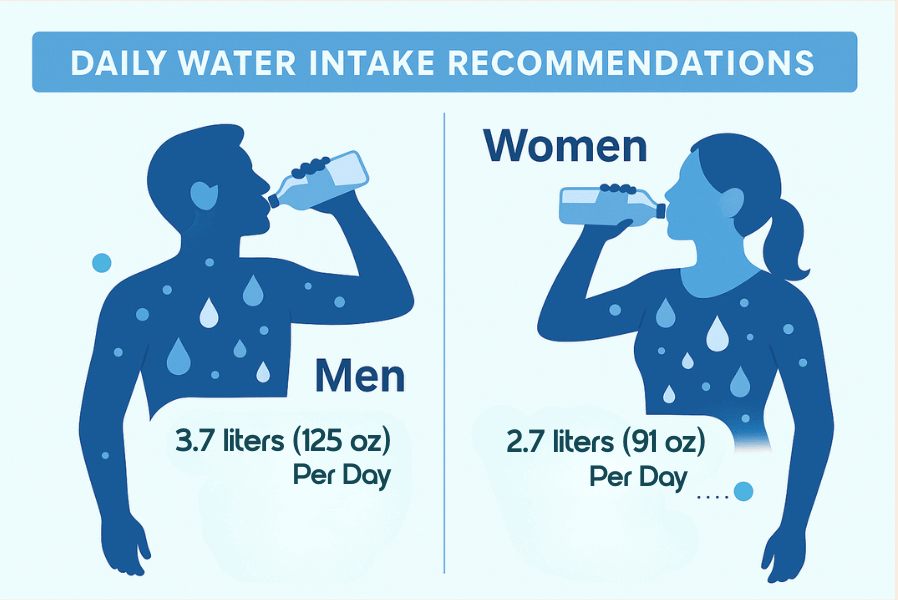
Men: about 3.7 liters (125 oz) per day
Women: about 2.7to?
Increase intake if you’re sweating heavily, exercising, or spending long hours outdoors.
A simple test: if your urine is light yellow, you’re likely hydrated. If it’s darker, increase your water intake. You can also include hydrating foods like watermelon, cucumber, oranges, and celery for added moisture and nutrients.
Avoid Dehydrating Beverages
Certain drinks can actually increase dehydration, especially caffeine, alcohol, and sugary sodas. These act as diuretics, causing your body to lose more fluid. If you enjoy coffee or an occasional cocktail, balance it with extra water. When it’s extremely hot, choose water, coconut water, or electrolyte drinks to restore minerals lost through sweat.
What Type of Clothing Helps You Stay Cool and Safe During Extreme Heat?
Dress for the heat- Choose Lightweight and Breathable Fabrics
When temperatures are high, the right clothing can make a major difference in how your body manages the heat. Choosing lightweight, breathable materials such as cotton, linen, or moisture-wicking synthetics can help regulate the heat. These cooling fabrics allow air to circulate and sweat to evaporate, helping your body regulate temperature naturally. Avoid dark, heavy fabrics that trap heat and moisture, as they can quickly lead to overheating. Instead, choose light-colored clothing that reflects sunlight and keeps you comfortable throughout the day.
Protective Clothing and Accessories
Sun protection goes beyond sunscreen what you wear plays a vital role in heat safety and skin protection.
Wide-brimmed hats provide shade for your face, neck, and ears, helping prevent sunburn and heat exhaustion.
UV-protective shirts or long sleeves made with sun protection clothing technology (UPF-rated fabric) can block up to 98% of harmful UV rays.
Sunglasses with UVA/UVB protection reduce glare and protect your eyes from sun damage.
Breathable footwear with moisture-wicking socks helps prevent overheating and skin irritation.
In Tampa’s intense summer sun, pairing smart summer clothes with heat safety accessories can keep you cooler, reduce the risk of dehydration, and protect against sun-related illnesses.
When Is the Safest Time of Day to Go Outside in Summer Heat?
It is best to avoid Peak Heat Hours
During the summer months, especially in Florida’s humid climate, temperatures can rise sharply between 10 a.m. and 4 p.m. the period when the sun’s rays are strongest and heat stress risk is highest. Prolonged extended exposure during these hours can lead to dehydration, fatigue, or even heat exhaustion and heatstroke. It is best to avoid peak heat hours, try to limit outdoor activities such as exercising, yard work, or running errands during midday or evening hours. If you must be outside, take frequent breaks in the shade, drink plenty of water, and wear lightweight, breathable clothing.
Benefits of Early Morning and Late Evening Activities
The safest time to be outside in summer is during the early morning (before 10 a.m.) or late evening (after 6 p.m.), when temperatures drop, humidity is lower, and the sun’s UV intensity is reduced. These times are ideal for walking, running, gardening, or enjoying Tampa’s beautiful parks without risking overheating. Early morning activities also promote better focus, energy, and hydration balance, while evening routines can help you unwind after a long day without the strain of high heat. By understanding heat risk timing, you can plan your day more wisely and enjoy summer safely.
How Can I Recognize Early Symptoms of Heat Exhaustion or Heat Stroke?
Differences Between Heat Exhaustion and Heat Stroke
The key difference between these two conditions lies in body temperature and mental status. Heat exhaustion is the body’s warning sign it can often be reversed with cooling measures, hydration, and rest. Heat stroke, however, occurs when the body’s temperature regulation system fails. This causes internal temperature to rise dangerously high, leading to organ damage or death if not treated quickly.
Common Symptoms of Heat Exhaustion and Heat Stroke
Common signs of heat exhaustion include:
Heavy sweating and pale, clammy skin
Weaknesses, dizziness, or fainting
Nausea or vomiting
Muscle cramps
Rapid but weak pulse
Headache and fatigue
If left untreated, heat exhaustion can progress to heat stroke, a medical emergency.
Heat stroke symptoms may include:
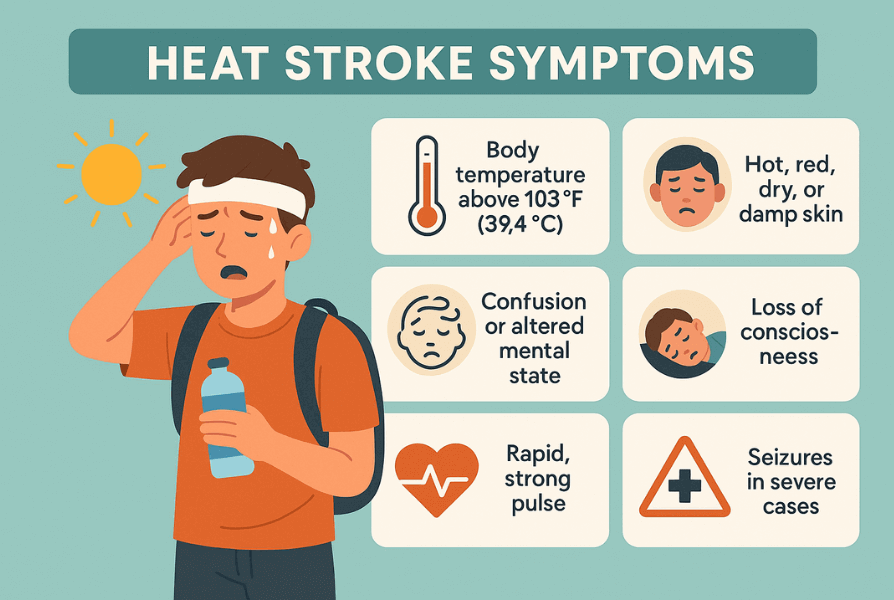
If you encounter any of the symptoms related to heat stroke, immediately call (911) as this is a medical emergency that can result in death. Continue with first aide for heat related illness while you wait for emergency personnel to arrive.
What First Aid Steps Should I Take for Someone with Heat-Related Illness?
Immediate Cooling Methods
If someone shows signs of heat exhaustion or heat stroke, your first priority is to cool their body temperature quickly. Move the person to a shaded or air-conditioned area and remove excess clothing to help the body release heat. Apply cool, damp cloths to the skin or use cold compresses on the neck, armpits, and groin—areas where blood vessels are close to the surface. If possible, mist the skin with water and fan the person, or immerse them in a cool (not icy) bath. Rapid cooling can make the difference between recovery and a medical emergency.
Hydration and Rest Protocols
Encourage the person to sip cool water or an electrolyte drink slowly avoid giving large amounts at once, which can trigger nausea. Rest is essential; have them lie down in a comfortable position with their legs slightly elevated to improve circulation. Continue cooling and hydration efforts until symptoms improve. For those who are vomiting, confused, or unable to drink, do not give fluids by mouth these are signs of more severe illness requiring emergency medical attention.
When to Seek Emergency Medical Help
If symptoms do not improve within 30 minutes or if the person becomes confused, loses consciousness, stops sweating, or has a body temperature above 103°F call 911 immediately. These are signs of heat stroke, a life-threatening emergency. While waiting for help, continue heat illness first aid measures to keep the person as cool as possible.
What Are the Easiest Ways to Keep Your Home Cool During Summer Heat?
Use Fans, Ventilation, and Curtains Wisely
Keeping your home comfortable during Tampa’s sweltering summer requires a few smart adjustments. Start by maximizing airflow and ventilation use ceiling fans in a counterclockwise direction to push cool air downward, and open windows early in the morning or late evening when temperatures are lower. During the hottest part of the day, close blinds or curtains, especially those facing direct sunlight to reduce indoor heat and prevent your home from trapping warm air. Blackout curtains or reflective shades can lower indoor temperatures by several degrees.
Try Energy-Efficient Cooling Solutions
Air conditioning is essential for Florida homes, but efficiency matters. Keep filters clean and set thermostats between 74–78°F for comfort without wasting energy. Use portable or window fans to help circulate air evenly and reduce strain on your A/C. Consider smart thermostats, dehumidifiers, or energy-efficient window films to maintain cooler indoor spaces and lower utility bills. Even simple tricks like switching to LED bulbs and avoiding oven use during the afternoon can make a big difference in managing summer home safety and comfort.
Hydration Reminders at Home
Heat safety doesn’t stop at your front door. Set up hydration reminders on your phone or keep a visible water bottle on your desk or kitchen counter to encourage steady water intake throughout the day. Encourage children and older adults to drink regularly, especially if your home feels warm despite cooling efforts. Staying hydrated helps your body stay cool and prevents heat-related symptoms even indoors.
How Can Seniors and Children Stay Safe During Extreme Heat Waves?
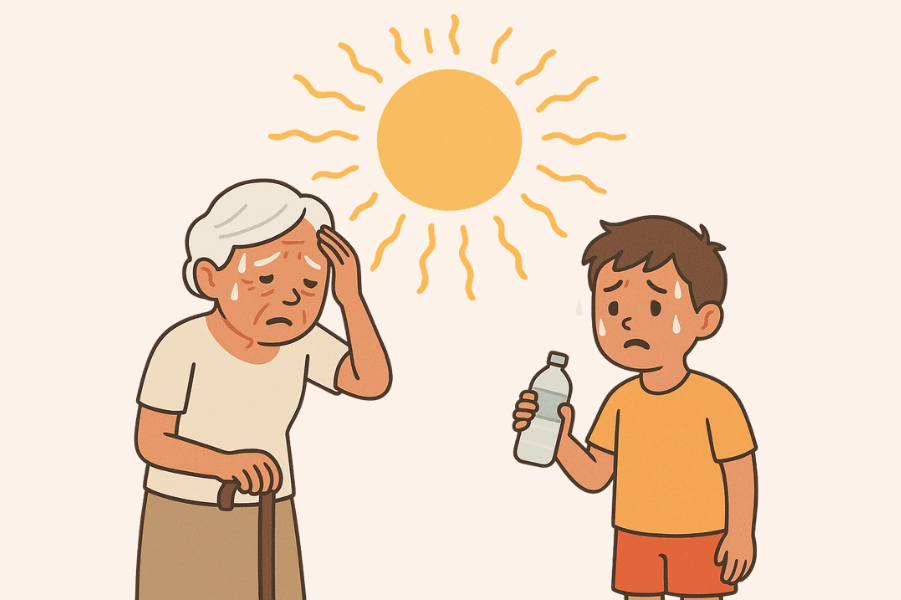
Why Seniors and Children Are More Vulnerable
Both seniors and young children are especially sensitive to extreme temperatures because their bodies don’t regulate heat as efficiently. Older adults often have slower sweat responses or medical conditions that make it harder to stay hydrated, while children’s smaller body size causes them to heat up faster. Medications, chronic illnesses, and limited mobility can also increase risk for heat-related illnesses in older adults. Understanding these vulnerabilities is the first step in protecting the elderly and children during heat waves.
What Lifestyle Changes Can Reduce Your Risk of Heat-Related Health Problems?
Diet and Hydration Improvements
Nutrition plays a key role in preventing heat-related health issues. Focus on light, nutrient-dense meals that include plenty of fruits and vegetables with high water content, such as watermelon, cucumbers, oranges, and leafy greens. During the summer months these foods not only provide hydration but also replenish electrolytes naturally. Reduce heavy, salty, or fried meals that can increase fluid loss and strain digestion in the heat. Consistent hydration throughout the day, not just during outdoor activities, is one of the most effective healthy lifestyles changes you can make.
Adjusting Activity Levels and Timing
Modify your exercise and outdoor activities to minimize exposure during the hottest hours (10 a.m. to 4 p.m.). Shift workouts, errands, or yard work to early morning or evening when temperatures are cooler. Choose low-impact exercises like swimming, walking, or indoor yoga to stay active without overheating. Listen to your body if you feel lightheaded, weak, or overly sweaty, stop immediately and cool down. Maintaining healthy activity habits while respecting weather conditions helps with heat risk reduction and overall summer wellness.
Monitoring Medications and Chronic Conditions
Certain medications such as diuretics, blood pressure drugs, or antihistamines can increase your sensitivity to heat or affect hydration levels. Individuals with chronic conditions like heart disease, diabetes, or kidney issues should be extra cautious. Schedule regular check-ins with your Direct Primary Care provider to review medications and adjust plans for safer summer routines. Continuous monitoring ensures that your body adapts well to heat and prevents complications from underlying health concerns.
Conclusion
Staying safe and healthy during the summer isn’t just about comfort, it’s about prevention and awareness. By practicing smart heat safety habits, you can protect yourself and your loved ones from dehydration, exhaustion, and more serious heat-related health problems. Remember to stay hydrated, wear light, breathable clothing, avoid peak heat hours, and recognize the early signs of heat illness before they become emergencies.
This summer, take small, intentional steps to prioritize your health because when you stay cool, hydrated, and informed, you can safely enjoy all that Florida’s sunshine has to offer.
Frequently Asked Questions
-
Early signs of heat exhaustion include heavy sweating, dizziness, fatigue, muscle cramps, nausea, headache, and pale or clammy skin. These symptoms mean your body is struggling to cool itself down. Move to a shaded or air-conditioned area, sip cool water, and rest. If symptoms worsen or don’t improve within 30 minutes, seeking medical attention is essential, if left untreated heat exhaustion can progress to heat stroke.
-
Men: about 3.7 liters (125 oz) per day
Women: about 2.7 liters (91 oz) per day
Increase intake if you’re sweating heavily, exercising, or spending long hours outdoors.
-
High humidity makes it harder for sweat to evaporate, which prevents your body from cooling efficiently. This can quickly lead to overheating and dehydration even at moderate temperatures. In humid climates like Tampa, take extra precautions seek shade, use fans for airflow, and limit strenuous activity during peak humidity hours.
-
Yes. Cooling towels and vests can significantly lower skin temperature and reduce the risk of heat stress. When soaked in cool water, they provide evaporative cooling, making them ideal for outdoor workers, athletes, or anyone exposed to high heat. Use them along with proper hydration, sunscreen, and shade breaks for maximum protection.
-
People with heart disease, diabetes, kidney problems, or respiratory conditions are more vulnerable during heat waves. Their bodies may not have the ability to regulate temperature or maintain hydration. Certain medications can also worsen heat sensitivity. Regular check-ins with your Direct Primary Care provider help manage medications and develop personalized summer safety plans.
-
Call 911 immediately if someone shows heat stroke symptoms, such as confusion, loss of consciousness, seizures, or a body temperature above 103°F. While waiting for help, move the person to a cooler place, remove excess clothing, and apply cool, wet cloths to lower body temperature. Do not give fluids if they are unconscious. Rapid response is critical in preventing serious complications.