
7 Smart Ways to Control Diabetes Without Breaking the Bank
Taking care of your diabetes doesn't have to cost a lot of money. This article gives you seven easy, low-cost steps to take charge of your health without spending too much money. There are real ways to save money, such as smart meal planning, free tracking apps, and affordable care options like Direct Primary Care. We'll also look at how DPC compares to regular insurance and why it might be the better option. You are in the right place if you want cheap diabetes care that works.
Why Diabetes Can Be So Expensive
Diabetes is more than just a health issue; it is a financial burden for millions of people. The expenses start as soon as you receive a diagnosis: blood sugar monitors, test strips, insulin, oral medications, and regular checkups. Furthermore, there is pressure to eat healthier, which can lead to increased grocery spending.
According to the American Diabetes Association, the average diabetic spends more than $16,000 per year on medical expenses, more than twice what a non-diabetic does. That's a significant cost, particularly for those without good insurance or a steady income.
Here are some things that often make costs go up:
A lot of visits to the provider and lab work
Brand-name drugs that cost a lot
People go to the emergency room when their symptoms aren't managed.
Long-term problems like kidney disease or nerve damage
These costs don't just hurt your bank account; they also cause stress, make it harder to get treatment, and may even make you miss appointments. That's why it's so important to learn how to control diabetes on a tight budget. You can keep your health and your money safe with the right plan, tools, and help, like Direct Primary Care.
How Do I Manage Diabetes on a Tight Budget?
Diabetes can be hard to deal with if you live paycheck to paycheck or try to make every dollar last. But you can make it work if you have a good plan. This is how to control diabetes on a tight budget without putting your health at risk.
1. Build a Monthly Budget
Make a simple monthly budget that includes the things you need:
Testing supplies
Medications
Clinic visits
This helps you stay on track and not go over your budget. Use smart shopping to find cheap ways to control your diabetes, like shopping at discount pharmacies, buying in bulk, and choosing store brand supplies.
2. Use Free Diabetes Tracking Apps
Tracking your blood sugar, meals, and medication doesn’t have to cost a dime. Apps like:
MySugr
Glucose Buddy
Diabetes:M
You can use tracking apps to help you take care of your condition every day. These tools help you see patterns, stay on track, and avoid costly mistakes, which makes them great for keeping your blood sugar under control without spending a lot of money.
A diabetes budget plan helps you stay on track with your money and not buy things you don't really need. Don't forget to seek generic options at your local pharmacy or online. They are usually much cheaper.
3. Prioritize Essential Supplies
Keep only the things that really affect your health, like glucose test strips, insulin, and your meter. Don't spend too much on the newest gadgets or things you don't need.
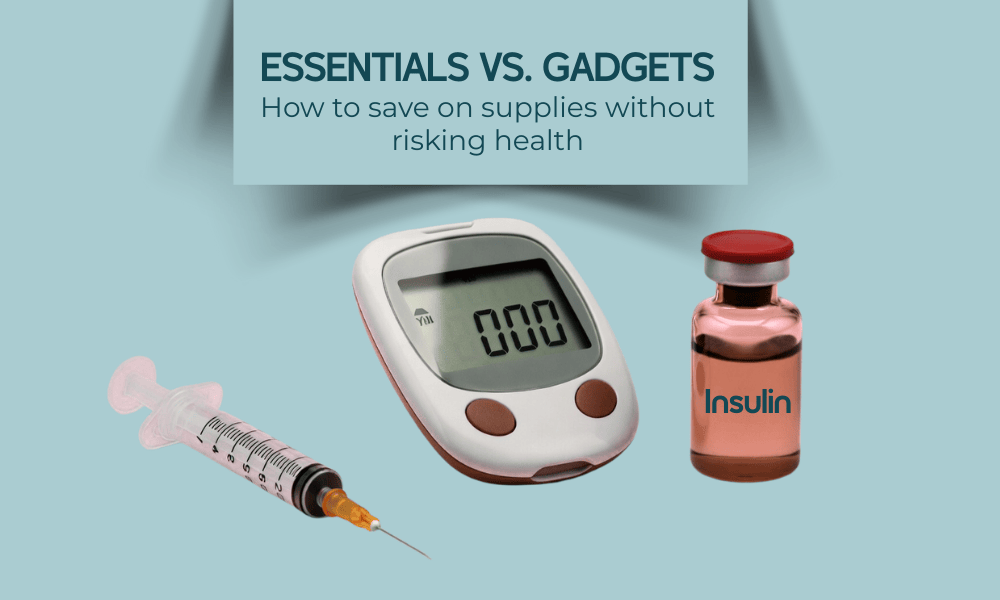
If you want to stick to a diabetes routine on a budget, ask your doctor or provider which supplies are most important and which ones you can skip or buy generically.
4. Meal Prep for Healthy, Budget-Friendly Eating
Eating well is important for controlling diabetes, but it doesn't have to mean eating fancy or expensive food. Plan your meals for the week, cook at home, and focus on cheap basics like:
Whole grains
Beans
Frozen veggies
Eggs
Canned tuna
Meal planning helps you avoid buying things you don't need and eating out, which is good for your wallet and blood sugar.
5. Switch to Direct Primary Care (DPC)
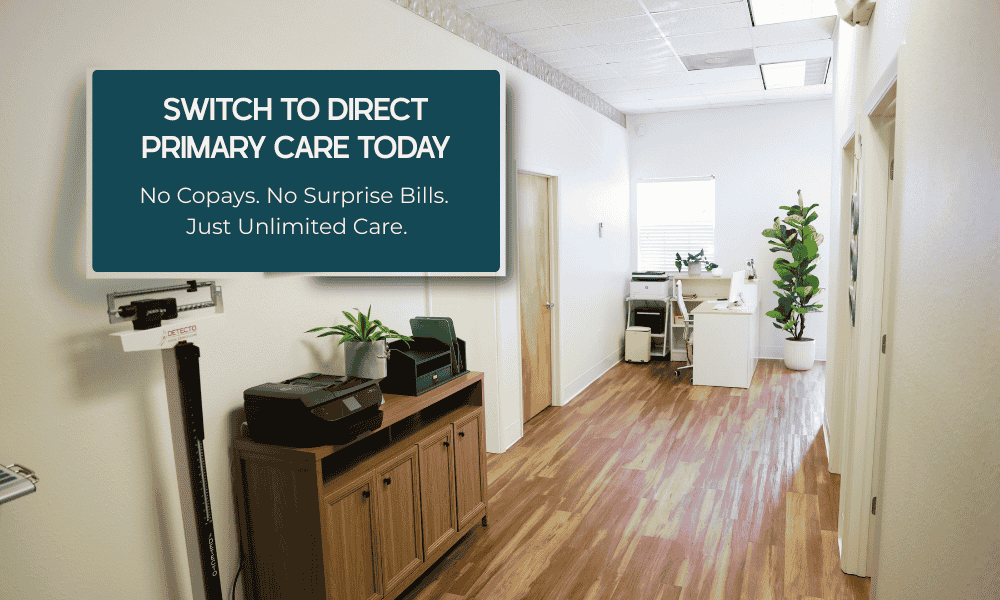
This is where the real savings start. Direct Primary Care (DPC) offers flat-fee, unlimited access to your provider with no copays or surprise bills. For one monthly price (usually $95–$150), you can:
Get regular checkups
Do A1C tests
Refill prescriptions
Contact your clinic anytime
This model makes affordable diabetes care simple, predictable, and much cheaper than insurance based care for most people with routine needs.
6. Compare DPC vs. Insurance for Diabetes Costs
Still unsure about ditching insurance for routine care? Here’s a quick breakdown:
| Care Feature | Insurance | DPC |
|---|---|---|
| Monthly Cost | $500 + deductible | $95–$150 flat |
| Copays | $20–$50 per visit | $0 |
| Lab Tests | Often extra | Included or discounted |
| Access to Provider | Limited | Unlimited |
| Surprise Bills | Yes | Never |
For many, DPC is cheaper for diabetes care when you add up how often you need help. It’s especially ideal for routine support, medication management, and A1C monitoring.
7. Build Healthy Habits to Prevent Extra Costs
Here’s the truth: every healthy habit you build is a future dollar saved.
Walk daily
Drink water instead of sugary drinks
Get excellent sleep
Manage stress
These easy changes lower the risk of complications, which means fewer trips to the ER, fewer medications, and long term cheap diabetes control.
Over time, even small changes can save you a lot of money. And with DPC support, you'll never have to do it alone.
How Does Direct Primary Care Save Money on Diabetes Treatment?
Here is where the DPC model really shines. Traditional care is frequently fraught with unexpected costs (co-pays, deductibles, and lab fees), whereas DPC diabetes costs are straightforward and predictable.
What’s included in DPC?
Flat monthly fee (no per-visit charges)
Unlimited clinic visits
On-the-spot A1C tests and labs
Direct contact with your provider
Time to ask questions and get real answers
Most people with diabetes need to check in with their provider regularly. But with insurance, those visits cost you every time. In contrast, affordable DPC diabetes care means you can pop in whenever something feels off without worrying about cost.
Some patients have reported saving up to 40% on their annual diabetes management simply by switching to a DPC provider. That includes fewer ER trips, better blood sugar control, and less missed work due to better support.
With DPC, there are no copays, no deductibles, and no surprise bills. That’s a giant win for anyone trying to keep their care consistent and costs low.
For people who only require routine diabetes care (checkups, prescriptions, A1C monitoring, and guidance), DPC frequently outperforms traditional insurance in terms of both service and cost. As a result, Direct Primary Care is less expensive for diabetes patients and a perfect fit for those looking to save money over time.
Frequently Asked Questions
-
Yes, you absolutely can. Many Tampa residents manage diabetes without insurance by joining a Direct Primary Care (DPC) practice like Progressive Healthcare. Instead of relying on insurance, DPC clinics charge a flat monthly membership fee that covers office visits and offers insulin and lab tests at wholesale prices, often costing significantly less than traditional insurance copays.
-
Progressive Healthcare DPC is widely considered a top choice for diabetes patients in the Tampa Bay area. They specialize in chronic disease management by offering extended appointment times (30-60 minutes) to create personalized diet and medication plans.
-
Generally, store-brand test strips (like those from Walmart or CVS) and subscription services are cheaper than big pharmaceutical brands. However, the most cost-effective option is often through a DPC membership.
-
Direct Primary Care is excellent for Type 2 diabetes management. Since DPC allows for unlimited visits and direct communication (text/email) with your provider, you get the consistent monitoring needed to adjust medications and lifestyle habits.
-
To find a DPC provider, you can use online directories like the "DPC Mapper." If you are located in Tampa, Florida, you can visit Progressive Healthcare DPC to schedule a free meet-and-greet.
